Selected for AI-ARTS.ORG Annual Collection 2024
Navigating between traditional design principles and algorithmic aesthetics
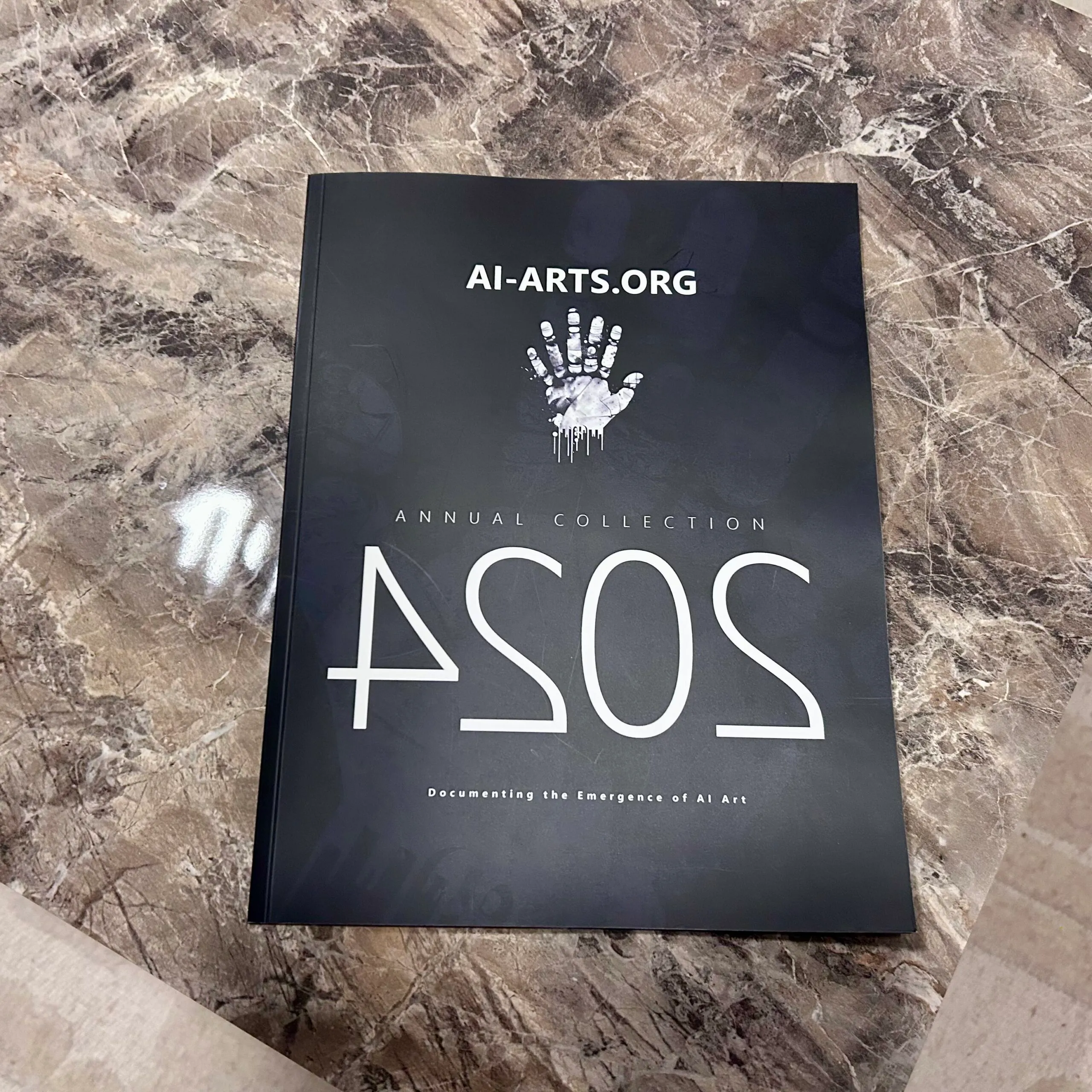
Navigating between traditional art principles and algorithmic aesthetics
The inclusion of Stefan Eisele’s work series “Rust Orange and Dim Blue” in the AI-ARTS.ORG Annual Collection 2024 represents a significant moment in contemporary digital art discourse.
Get Printed Version (32,71 €)
Get PDF Version (6,55 €)
Recent Development: International Recognition
The inclusion in the AI-ARTS.ORG Annual Collection 2024 marks an important step in Eisele’s ongoing exploration of generative technologies and their aesthetic possibilities.
“Rust Orange and Dim Blue”: Algorithmic Materiality
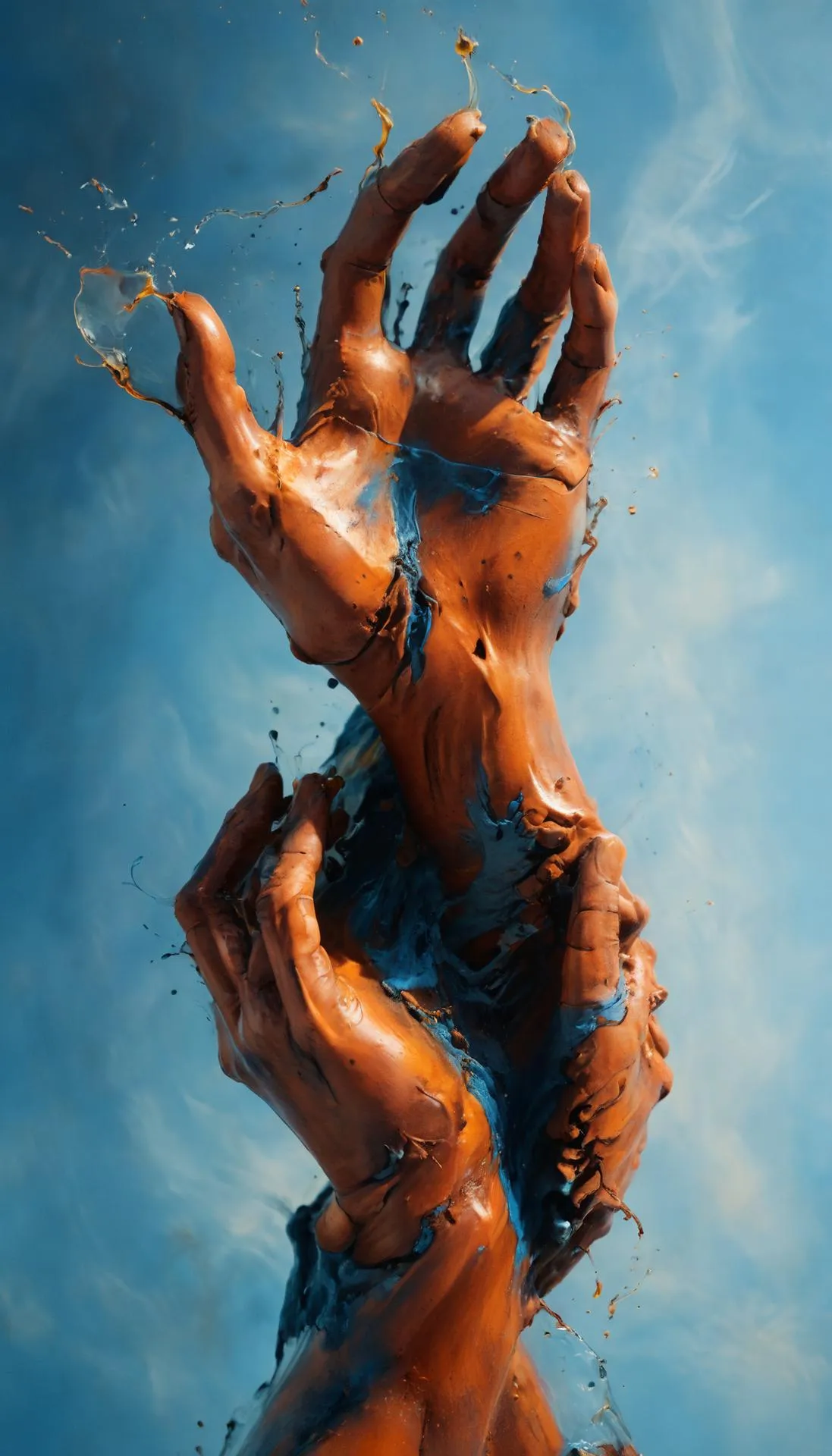
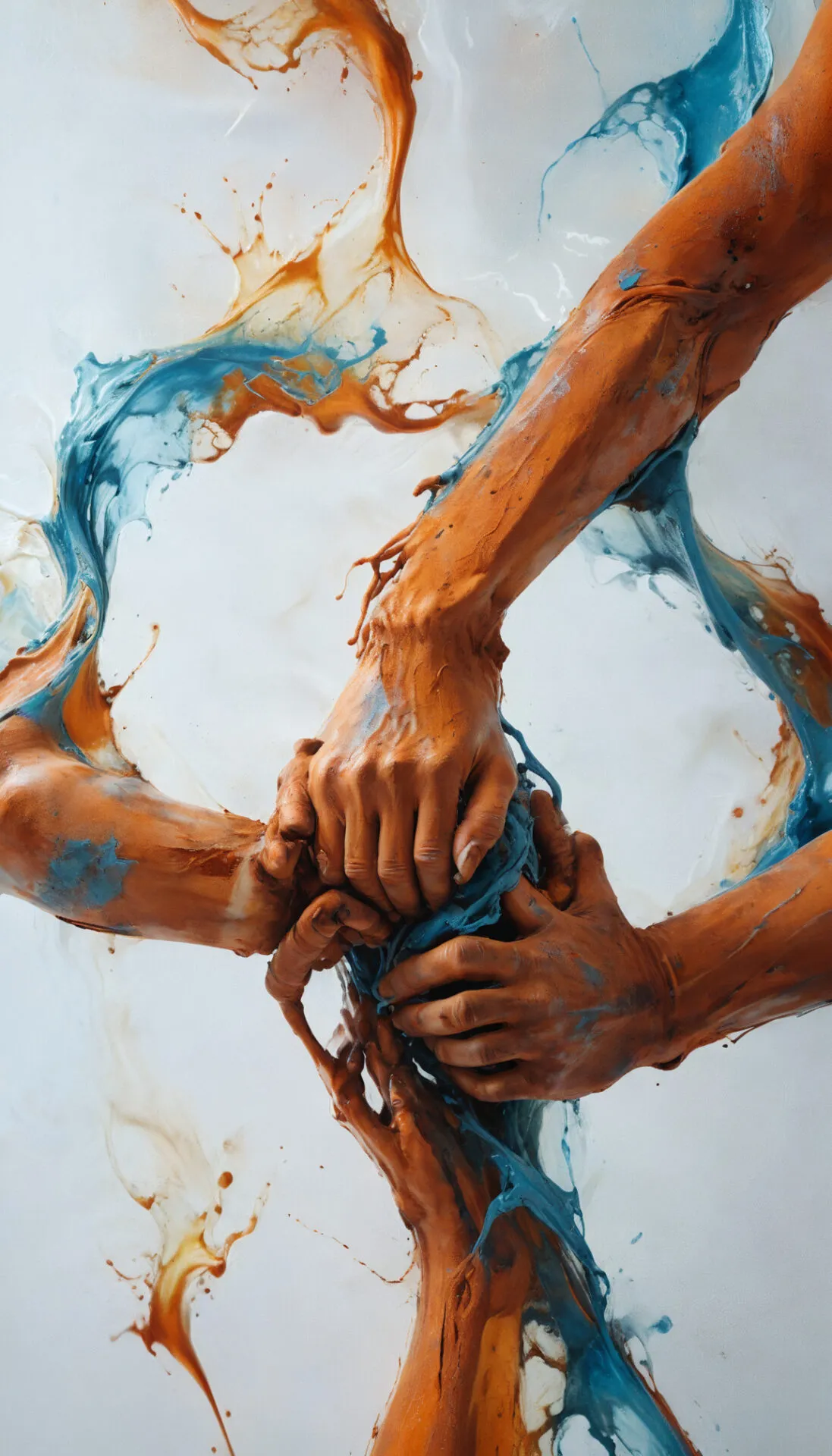
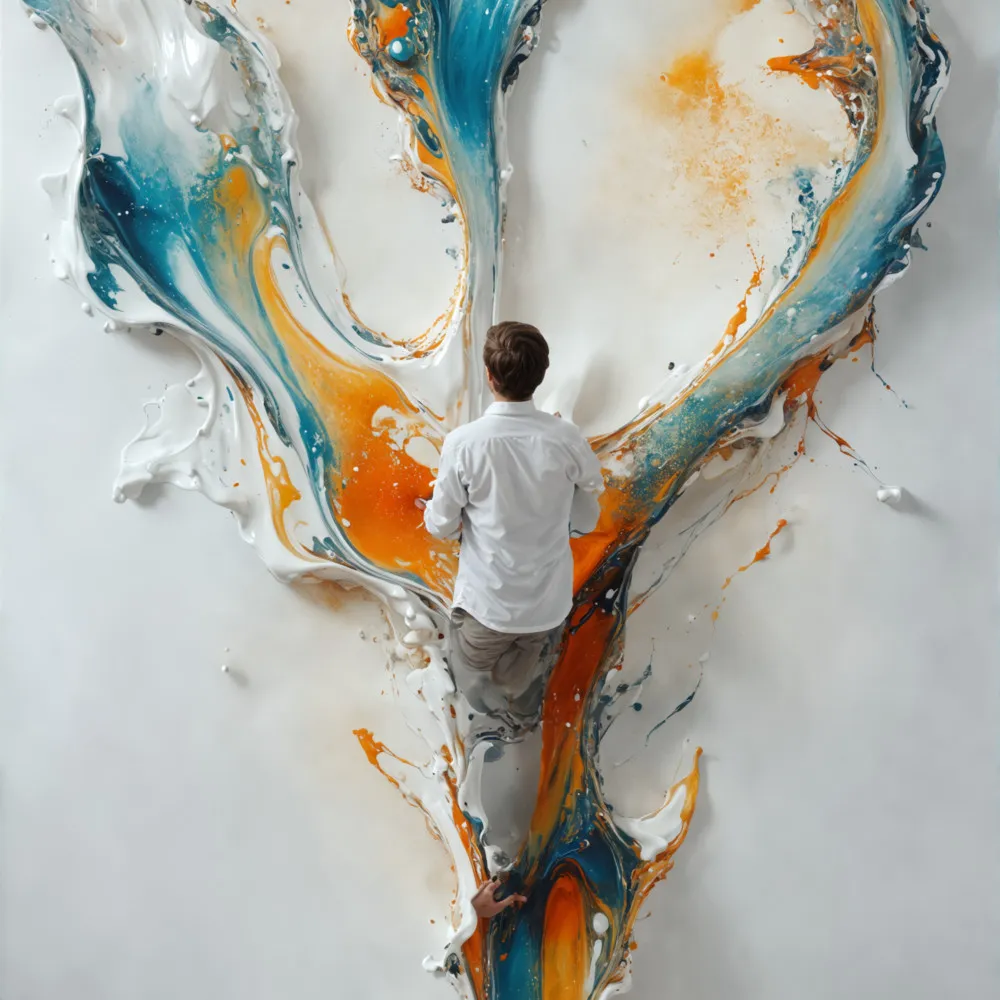
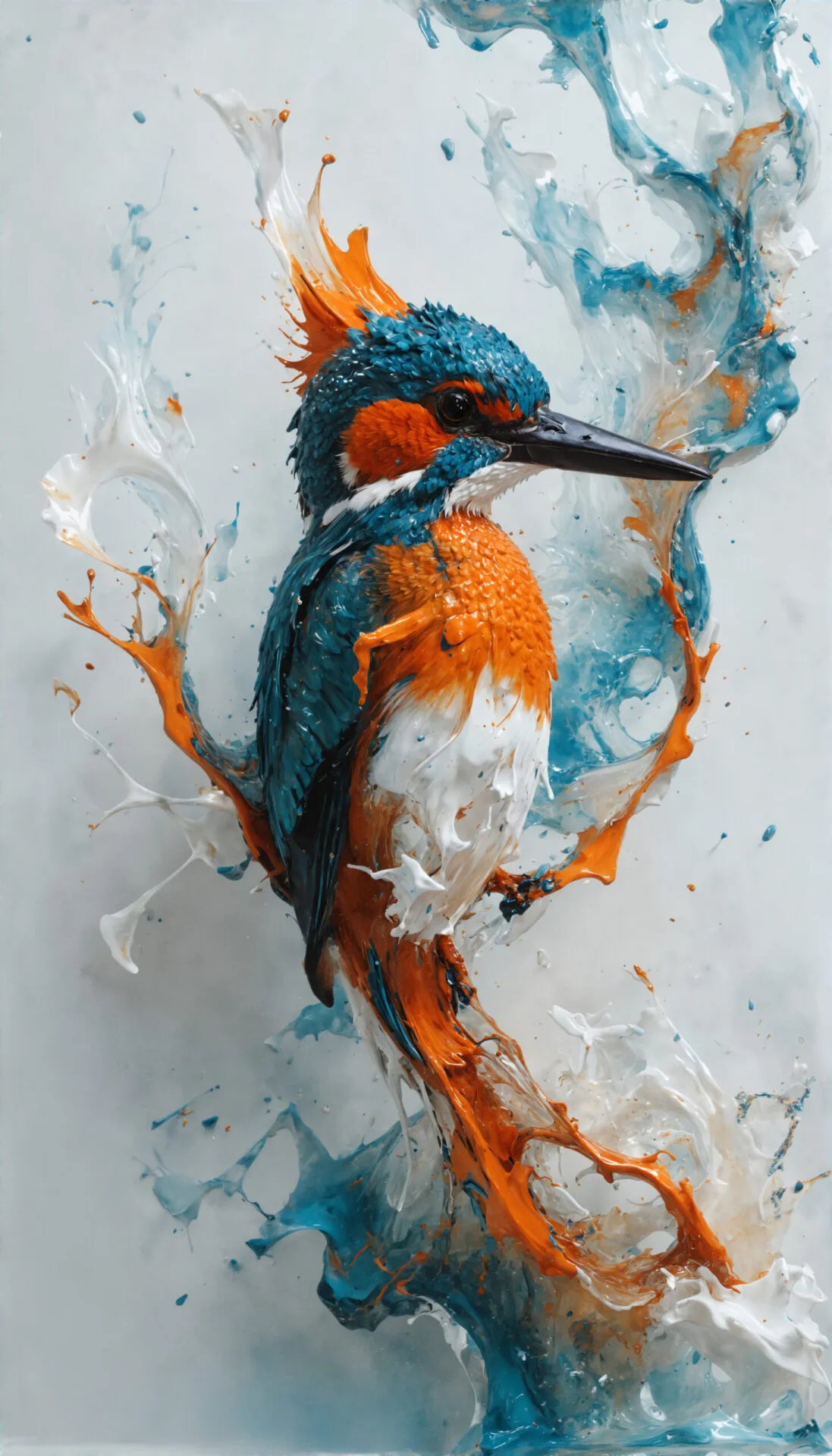
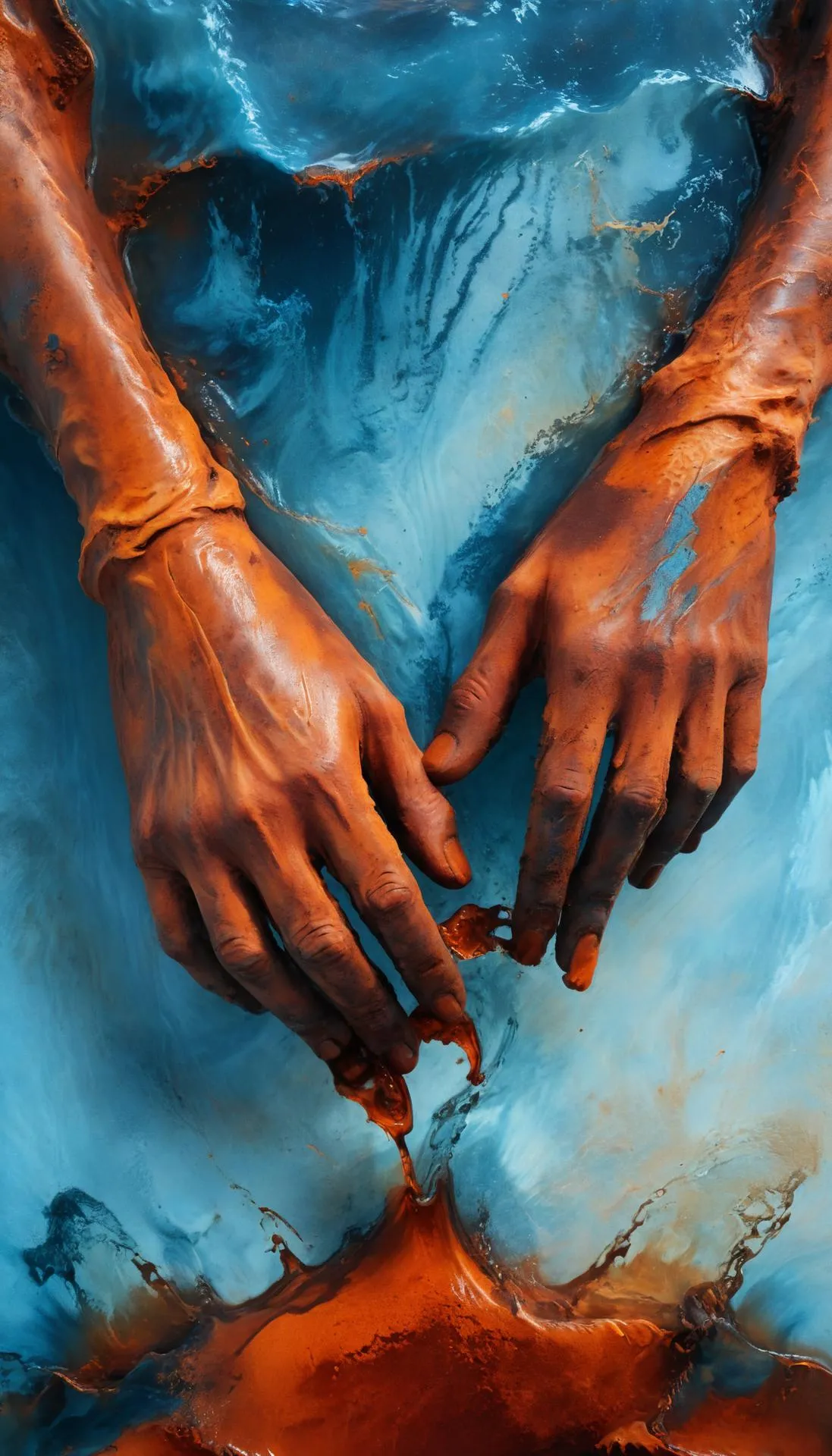
The series selected for the AI-ARTS.ORG collection, “Rust Orange and Dim Blue,” investigates the potential for generative processes to produce forms of digital materiality. The works deliberately evoke the haptic qualities of traditional painting materials while simultaneously utilizing the specific characteristics of algorithmic image generation.
The series’ color palette – warm spectrums from rust red to orange combined with muted blue tones – creates visual tension that extends beyond pure color composition. The organic forms suggest fluidity and movement, qualities traditionally associated with physical media.

Methodology: Iteration as Artistic Practice
Eisele’s working method is based on an iterative process that structures the dialogue between human intention and algorithmic interpretation. Beginning with conceptual approaches, he develops images through successive refinement that are neither purely human nor purely machine-generated.
This method reflects a contemporary engagement with questions of authorship and creative processes. The resulting works document less a final result than a process of negotiation between different forms of image production.
Contextualization: AI Art Between Tool and Medium
Eisele’s works participate in a broader discussion about the role of artificial intelligence in artistic practices. While early approaches primarily considered AI as an extended toolkit, there is an increasing understanding of AI as an autonomous medium with specific aesthetic properties.
The integration of human elements – particularly hands – into his digital compositions can be read as a deliberate thematization of this transformation. They reference both the craft tradition of artistic production and the changed conditions of digital creativity.
Institutional Recognition and Artistic Positioning
Selection for the AI-ARTS.ORG Annual Collection positions Eisele within an international group of artists examining the possibilities and limitations of generative technologies. This institutional recognition reflects the increasing establishment of AI art as legitimate artistic practice.
The collection functions as an important reference point for the documentation and canonization of digital art production, contributing to academic and cultural discourse on contemporary media art.
Technical Foundations and Aesthetic Implications
Eisele’s works utilize current developments in generative AI without foregrounding the technological aspects. Instead, his practice focuses on the aesthetic possibilities arising from the combination of algorithmic processes and targeted design interventions.
This approach differs from purely technology-oriented methods and positions the work within the context of a reflective artistic engagement with digital media.
Outlook: Digital Creativity and Artistic Development
Stefan Eisele’s work exemplifies a generation of artists who have grown up with digital technologies and consider them a natural part of their artistic practice. His works offer insights into possible development directions for art that neither nostalgically looks back to traditional media nor uncritically adapts technological innovations.
The inclusion in the AI-ARTS.ORG Collection documents this position and contributes to the ongoing discussion about the future of digital art production.
Contact and Further Information:
- AI-ARTS.ORG: ai-arts.org/author/stefaneisele